Cancer Moon Sign Meaning: Traits, Love & Emotional Needs
Cancer Moon brings emotional depth and intuition. Learn what this lunar placement means for your relationships, inner world, and daily life with practical guidance and astrology insights.
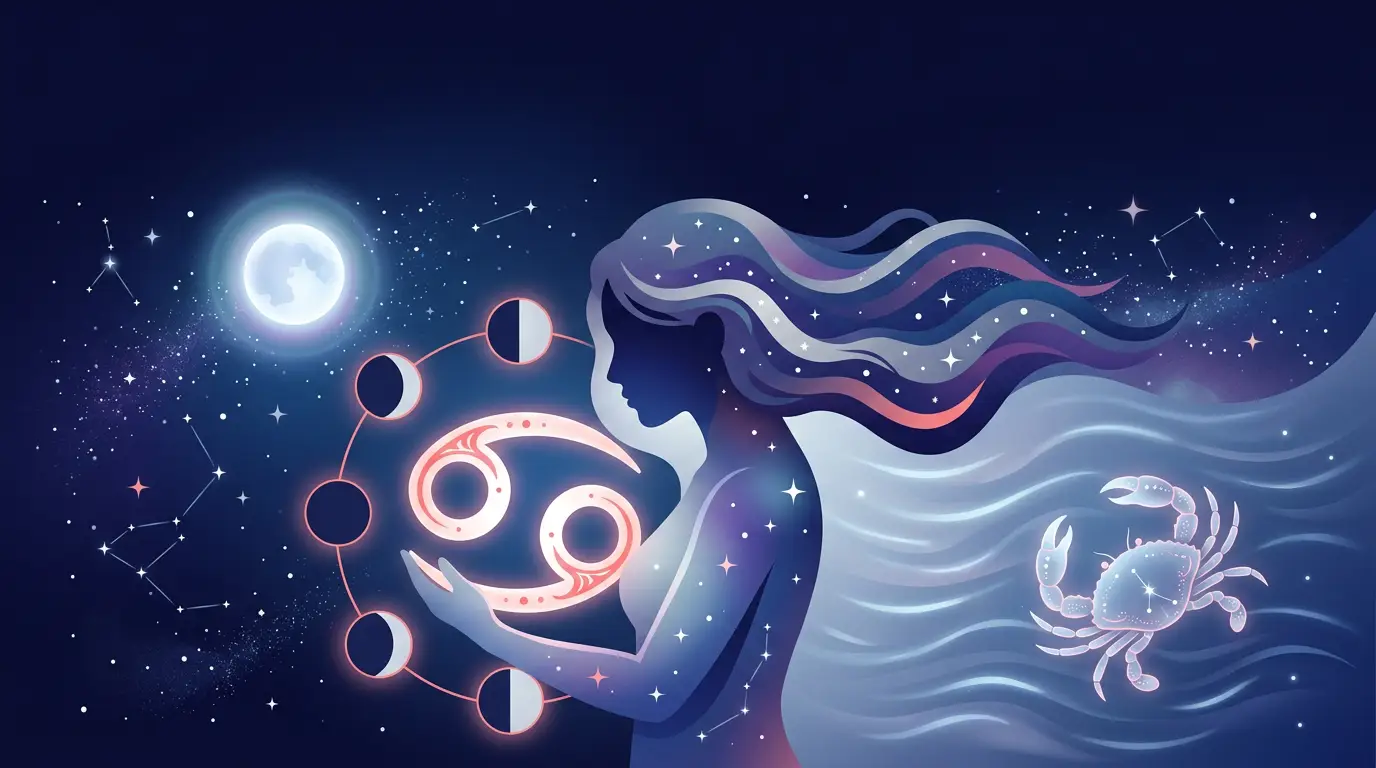
Cancer Moon sign meaning is rooted in one idea: emotional safety comes first. If your natal Moon sits in Cancer, your feelings move through care, memory, and protection before anything else, and that pattern shapes love, family bonds, trust, and how you handle stress. This guide breaks down the core Cancer Moon traits, the shadow patterns most people miss, and practical ways to work with this lunar placement day to day. You can confirm whether you have Moon in Cancer with AIFATE's free Moon sign calculator.
What Does a Cancer Moon Sign Mean?
At its simplest, Cancer Moon sign meaning is this: the Moon is in Cancer in your birth chart, so your feelings move through care, memory, and protection before logic gets a turn. The Moon rules instinct, comfort, habits, and emotional security, which is why this placement often feels deeply private even when the person seems warm and open on the outside. In AIFATE chart work, I often see people with a Cancer Moon respond first through feeling, then through action, especially in love, family, and home life.
The Moon is considered at home in Cancer because Cancer and the Moon share the same language: receptivity, memory, and the need to protect what matters. As the astrologer Liz Greene writes in The Luminaries, the Moon in a birth chart represents our earliest imprint of emotional belonging, and Cancer amplifies that imprint more than any other sign. Cancer is a cardinal water sign, so it does not just absorb emotion; it tries to organize it into care, safety, and belonging. If you want the larger elemental context, AIFATE's overview of the four astrology elements helps explain why Water signs are so responsive to emotional atmosphere.
What the Moon Represents in Astrology
In astrology, the Moon describes how you process feelings, what makes you feel safe, and the habits you fall back on when life gets intense. It shows your private needs, not your public persona. A Cancer Moon can look composed in a meeting, then need quiet, food, or a familiar routine to come back to center later.
The Moon also describes memory, attachment style, and emotional reflexes. If someone says something sharply, a Cancer Moon may not just hear the words; it may remember the tone, the timing, and the mood in the room. That is why the deeper Moon in Cancer meaning often sounds like emotional intelligence mixed with strong recall. Across the lunar cycle, this placement tends to feel energy shifts more viscerally than others, especially around the New Moon and Full Moon.
Why Cancer Is the Moon's Home Sign
In traditional astrology, the Moon's domicile is Cancer, meaning Cancer strengthens every lunar quality: protection, closeness, and emotional continuity. The Moon in Cancer does not have to translate itself into a foreign style; it can act directly through nurturing, guarding, and remembering. In both Western and Vedic readings, that makes Cancer one of the clearest placements for seeing how the Moon behaves when it is fully expressed.
Moon in Cancer is not only about softness. It is also a cardinal sign, which means it initiates action. A Cancer Moon often creates safety before it creates anything else: food in the kitchen, a text after conflict, a blanket on the couch, a plan for the people it loves. That protective instinct is part of the placement's real strength.
What Are the Core Cancer Moon Traits and Emotional Needs?
Cancer Moon traits usually center on emotional sensitivity, intuition, and a deep need for belonging. This placement tends to notice tone changes quickly, remember what people said years ago, and care intensely about who feels included, safe, and looked after. If you are checking your own chart, AIFATE's free birth chart shows Cancer Moon in context, which matters because houses and aspects can shift how the placement acts.
- Sensitivity, intuition, and emotional memory: A Cancer Moon often picks up on subtle mood changes before anyone says a word. This can look like strong gut feeling, but it is also pattern recognition. A comment made in a tired voice may stay in memory for days because the emotional tone mattered more than the literal sentence.
- Nurturing, protectiveness, and caregiving: Moon in Cancer often expresses care through action. This can mean feeding people, checking in, remembering birthdays, smoothing tension, or making a room feel calmer. In work life, this same instinct can make someone the colleague who notices burnout early and quietly helps the team keep going.
- Security, home, and belonging: Comfort is not a luxury for this Moon sign; it is part of emotional regulation. Familiar food, predictable routines, and a safe home base can help a Cancer Moon process the world. A messy, chaotic environment can feel louder to this placement than it does to others.

Cancer Moon emotional needs are closely tied to Water sign energy, which is why feelings often arrive in waves rather than neat categories. The Cancer Moon personality is not fragile; it is absorptive. A Cancer Moon may need to cry, rest, eat, or talk before it can think clearly. That is not weakness; it is how this lunar placement sorts emotional information, and people who share this Moon sign often develop deep emotional resilience over time precisely because they learn to process what others avoid.
One useful chart clue is house placement. A Cancer Moon in the 4th house may center the home, family, and roots, while a Cancer Moon in the 10th house may express care through leadership, reputation, or protecting a team. That is why the Moon sign alone gives a useful starting point, but the full chart gives the real story.
What Are the Strengths and Shadow Side of Moon in Cancer?
Moon in Cancer brings deep empathy, strong loyalty, and a real gift for making people feel safe, but the same wiring can slip into defensiveness, moodiness, and over-attachment when it goes unchecked. In chart readings, I often see Cancer Moon people become the emotional anchor in a family or team, then quietly burn out because nobody thought to ask how they were doing. One client told me she realized she had been everyone's therapist since age twelve and had never once been on the receiving end. That pattern is the shadow in miniature. The table below shows how each core trait can help or hurt depending on how it is used.
| Trait | Healthy expression | Shadow expression | Balancing tip |
|---|---|---|---|
| Empathy | Feels with others and offers real comfort | Absorbs everyone else's emotion and loses center | Ask, "Is this mine to carry?" before reacting |
| Loyalty | Shows up consistently and keeps trust steady | Stays in draining bonds long after trust is gone | Check whether loyalty is still mutual and healthy |
| Intuition | Reads tone, mood, and undercurrents well | Assumes the worst without asking for clarity | Verify before deciding what a signal means |
| Memory | Remembers what matters and learns from patterns | Replays old hurts and keeps emotional score | Write down facts and feelings separately |
| Protectiveness | Defends loved ones and builds a safe home base | Gets possessive, controlling, or overly cautious | Protect without deciding for other people |
| Mood swings | Notices changing feelings and responds honestly | Withdraws, snaps, or shuts down when flooded | Pause, eat, rest, then answer later |
| Boundary-setting | Creates clear containers for care and closeness | Says yes too quickly and feels resentful later | Use a delay before agreeing to anything big |
Cancer Moon strengths are easy to see in real life: the friend who remembers your doctor's appointment, the sibling who notices when the house feels tense, the manager who checks on morale before a deadline. These are forms of emotional leadership, not just tenderness. The placement often knows how to make people feel held without making a show of it.
Cancer Moon Strengths
The best side of Moon in Cancer is emotional steadiness that comes from care, not control. This placement can be remarkably loyal because it bonds through memory and shared feeling. It also tends to create home, family, and team culture through small acts that others may not notice at first.
That same instinct can make a Cancer Moon very good at support roles, people management, healing work, or any job that needs morale, empathy, and consistency. The challenge is making sure care is returned. A Cancer Moon that only gives can start to feel used, even if nobody intended harm.
Cancer Moon Shadow Patterns
The shadow side of Cancer Moon often appears when sensitivity turns into self-protection before there is clear danger. Mood changes can become sudden, and old memories can make the present feel heavier than it really is. A hurt feeling may bring back a whole archive of previous hurts.
Defensiveness is especially common when this Moon sign feels dismissed. Because Cancer remembers emotional detail so well, it can hold on to a single cold exchange long after everyone else has moved on. That is why emotional regulation matters so much for this placement.
How to Work With Sensitivity Without Losing Boundaries
A Cancer Moon does best with simple structure and low-drama honesty. First, name the feeling before deciding what it means. Then check whether the feeling belongs to the current moment or to an older wound. Finally, give yourself a pause before replying, especially during conflict.
I care about this, and I need a little time before I answer.
That line works because it protects the bond without forcing a rushed response. A Cancer Moon does not need to harden itself to set a boundary; it needs a cleaner container for the feeling. Small habits help here: eating before hard talks, writing the first draft of a message, and waiting 20 minutes before sending anything when emotions are high.
How Does Cancer Moon Affect Love, Family, and Home Life?
Cancer Moon in love shows up as a need for emotional safety above almost everything else. This placement tends to bond through trust, consistency, and shared care rather than through constant excitement, and it tests whether a partner is reliable long before it relaxes into vulnerability. If you are comparing your chart with someone else's, AIFATE's synastry chart can show whether the relationship supports Cancer Moon's need for warmth and reassurance, or try the love compatibility chart for a focused relationship reading.
What Cancer Moon Needs in Romance
In romance, a Cancer Moon usually wants dependable affection, not mixed signals. It feels loved when plans are kept, words match actions, and conflict is followed by repair. Grand gestures can be nice, but they do not replace the steady reassurance that builds trust over time.
Many Cancer Moon people also need a partner who respects their private side. They may not share everything right away, but that does not mean they are detached. It usually means they are checking whether the relationship is safe enough for deeper feelings. Cancer Moon in relationships tends to move slowly at first and then commit fully once trust is confirmed, and that slow-then-deep rhythm is one of the placement's most misunderstood qualities.
Family Dynamics and Childhood Imprints
Family life often leaves a strong imprint on Moon in Cancer because this placement stores emotional history deeply. If childhood felt warm and reliable, the person may grow into a natural caretaker. If childhood felt unpredictable, the person may become hyperaware of other people's moods and work hard to keep the peace.
One Cancer Moon client I saw kept making soup for everyone after work, then wondered why she still felt unseen. Her real need was not more caretaking; it was someone noticing that she was tired and asking what she needed. That pattern is common: the person who holds everyone else together may need permission to be held too.
How Partners Can Support a Cancer Moon
The best support is simple and specific. Say what changed, say when you will follow through, and do not dismiss the feeling just because the reason seems small. For a Cancer Moon, a forgotten text or a sudden plan change can land more heavily than it does for other placements.
- Be clear about plans and changes early, not after the fact.
- Repair conflict with warmth, not sarcasm or silence.
- Respect the need for private time after an argument.
- Build rituals together, such as Sunday meals, check-in calls, or a shared wind-down habit.
Home matters too. A calm room, a familiar meal, or a predictable evening rhythm can matter more to Cancer Moon than flashy gifts. If the bond feels unstable, the body often feels it first. That is why safety, not drama, is the real love language here. If you are curious about what happens when two Cancer placements come together, the Cancer and Cancer compatibility deep dive covers that specific dynamic.
How Can You Work With a Cancer Moon in Daily Life?
Cancer Moon emotional needs become easier to manage when you slow down, name the feeling, and give the nervous system something steady to hold. This placement is not asking for constant comfort; it is asking for enough safety to process feelings honestly. The steps below turn cancer moon sign meaning into something you can actually use — not just a label, but a set of daily practices that work with the placement instead of against it.
| Trigger | What the Cancer Moon may be feeling | Best response | Simple practice |
|---|---|---|---|
| Conflict | Exposed, criticized, or unsure the bond is safe | Slow the pace and lower the emotional noise | Write a 2-sentence reply before speaking |
| Family stress | Pulled into fixing everyone at once | Choose one task, not the whole household | Set a 15-minute call limit if needed |
| Loneliness | Starts replaying old memories and old losses | Reach out to one trusted person | Make tea and send one honest text |
| Emotional overload | Flooded, shaky, or unable to sort feelings | Reduce stimulation before talking it out | Shower, dim lights, and avoid major decisions |
| Lunar intensity | More reactive around the Full Moon or strong transits | Keep plans simple and rest more | Do a 10-minute evening check-in for 3 nights |
Name the Feeling Before You Fix It
The first step is to slow the response long enough to identify the emotion. A Cancer Moon often tries to solve discomfort quickly by caretaking, apologizing, or withdrawing. That can help short-term, but it may skip the real issue.
Try a simple three-part check-in: What am I feeling? What happened right before this? What do I need right now? If the answer is "I need reassurance," that is useful data. If the answer is "I need rest," then the problem may be physical fatigue rather than emotional conflict.
Build a Home-Based Self-Care Routine
Cancer Moon usually calms down through home-based rituals that feel familiar. A 15-minute evening reset, a warm meal, clean sheets, soft music, or a shower after work can make a big difference. The goal is not perfection; it is giving the Moon a repeatable cue that says, "You are safe now."
Routines are especially helpful during busy weeks or during June 2026, when Cancer season and lunar shifts can make home and family themes louder. If your mood feels more sensitive during those periods, check your transit chart to see which lunar or planetary movements are active. A little timing awareness can reduce self-blame.
Set Gentle Boundaries Without Guilt
Boundaries protect Cancer Moon energy from turning into resentment. Because this placement wants to care, it may say yes too fast, then feel depleted later. A helpful rule is to delay non-urgent decisions by 20 minutes, 1 hour, or overnight so the answer comes from clarity instead of guilt.
I want to help, and I need to check my energy before I agree.
That kind of language works well for Cancer Moon because it keeps connection open. It does not reject the other person; it simply creates room for the body and feelings to settle. In relationships, this can prevent the familiar pattern of over-giving followed by sudden retreat.
Use a Full Moon in Cancer Tarot Spread
A Full Moon in Cancer tarot spread is a useful way to process feelings, especially when emotions feel circular or hard to name. You do not need a large spread. Three cards are enough: What am I feeling? What do I need to feel safe? What boundary or action supports me this week? Pair the spread with your natal chart for richer context.
If you prefer journaling, use the same structure as prompts. Write for 10 minutes without editing, then underline any sentence that feels repeated, heavy, or especially true. Around a Full Moon in Cancer, that simple practice can show what needs release and what needs care.
Check Your Chart and Lunar Transits
Moon in Cancer does not act in isolation. House placement, aspects, and current transits all change the expression. A Cancer Moon in the 7th house may focus on partnership security, while a Cancer Moon receiving hard aspects from Saturn or Mars may feel more guarded or reactive under stress.
If you want to see the timing side more clearly, use AIFATE's transit chart to check current lunar and planetary triggers, and compare that with your natal Moon in the free birth chart. For year-long themes around home, family, and emotional maturity, your solar return chart can add another layer. The point is not to predict every mood; it is to understand why certain weeks feel heavier than others.
Moon moves quickly, changing signs about every 2.5 days, so daily emotional weather can shift faster than people expect. The full lunar cycle is about 29.5 days, which means a Cancer Moon may notice monthly rhythms more clearly than other placements. Tracking those rhythms for even one month can make patterns easier to name.
Cancer Moon FAQ: What Do People Ask Most?
These are the questions that come up most often when people are trying to understand a Cancer Moon sign in real life. The short answers below are meant to be practical, not fatalistic. The whole chart still matters, and that is where AIFATE tools are useful for checking the details.
Is Cancer Moon always sensitive?
Yes, but sensitivity does not always look like tears. A Cancer Moon can express sensitivity as intuition, caregiving, emotional memory, or strong awareness of the room. Some people with this placement look calm until they feel unsafe, then they become very protective or very private. Sensitivity is the base, but the expression depends on the rest of the chart and life experience.
What signs are most compatible with Cancer Moon?
Cancer Moon compatibility depends more on the whole chart than on Sun signs alone, but this placement often feels supported by partners with Taurus Moon, Virgo Moon, Scorpio Moon, or Pisces Moon because those placements value emotional depth and consistency. Strong Earth sign energy can work well too if communication stays respectful and repair after conflict feels genuine. A synastry chart is the best next step because it shows how two charts actually interact, instead of assuming a sign match tells the full story.
How is Cancer Sun different from Cancer Moon?
Cancer Sun describes identity, life direction, and how someone expresses themselves outwardly. Cancer Moon describes private needs, emotional reflexes, and what makes the person feel safe. A Cancer Sun may openly identify with family or caretaking, while a Cancer Moon may keep those needs private and only show them in close relationships. The Sun is the face; the Moon is the emotional home.
Does a Full Moon in Cancer affect everyone?
Yes, but the effect is often strongest for people with Cancer Moon, Cancer Sun, or major 4th-house placements. A Full Moon tends to bring things to the surface, and Cancer themes usually involve home, memory, family, and protection. During a full moon, sleep, feelings, and old stories can all become louder for 24 to 48 hours, so it helps to keep plans light and expectations realistic.
How do I calm a Cancer Moon during overwhelm?
Start with the body. Eat something simple, drink water, lower the lights, and stop trying to solve everything at once. Then name the feeling in one sentence and decide whether you need rest, reassurance, or space. A Cancer Moon calms faster when it feels safe, not when it is pushed to explain itself too quickly.
Is Cancer Moon rare?
No. The Moon moves through every zodiac sign roughly every 2.5 days, so Cancer Moon is no rarer than any other Moon sign. About one in twelve people have it. What feels uncommon is the intensity of the emotional response, not the placement itself. Many people only realize they have Moon in Cancer after running their birth chart and recognizing the traits.
Can house placement change Cancer Moon meaning?
Yes. The house tells you where the Moon in Cancer focuses its emotional energy. In the 4th house, the home and family may be central; in the 7th, relationships may trigger the strongest feelings; in the 10th, work and public image may carry emotional weight. Aspects from Saturn, Pluto, or Mars can intensify or complicate the Moon's response style. Check your free birth chart to see which house your Cancer Moon occupies and which planets aspect it.
About This Guide
This guide was written by Maya Rivers for the AIFATE Astrology Team. It combines Western and Vedic astrology with modern chart analysis and practical astrology. Last updated: June 2026.
Author

Lead Astrologer at AIFATE
Maya Rivers is the lead astrologer at AIFATE, where she bridges Western and Vedic astrology with practical numerology. With over a decade of birth chart interpretation experience and thousands of personal readings, she writes to help readers turn planetary language into everyday clarity.
Previous
Composite Chart in Astrology: Meaning, Calculation, and Interpretation
Next
Gemini and Libra Love Compatibility: 2026 Complete Guide